
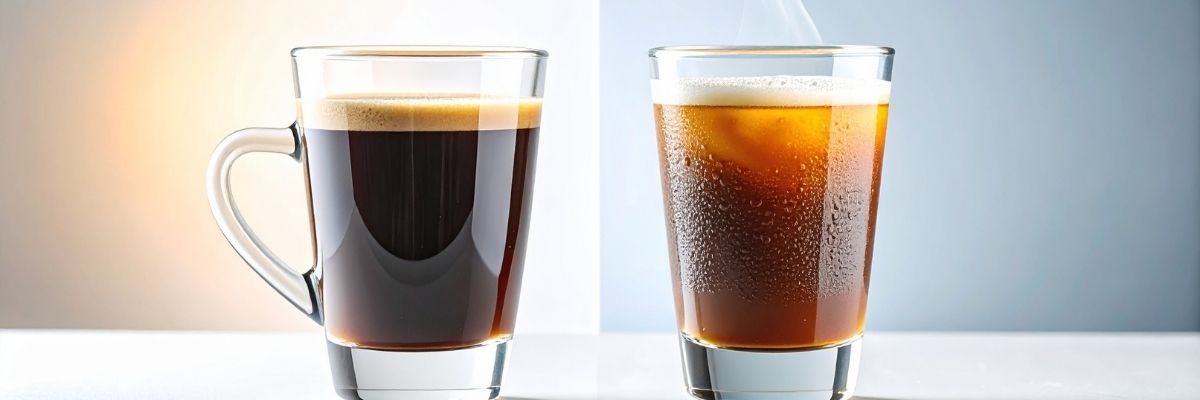
Stepping onto the retail floor can feel like entering a battlefield. Long hours, demanding customers, and the constant pressure to perform can leave you drained. To combat this fatigue, many retail workers turn to caffeinated beverages, with coffee and energy drinks being the most popular choices. But which one reigns supreme when it comes to boosting productivity and alertness without sacrificing your health and well-being? This article dives deep into the coffee vs. energy drink debate, exploring their pros and cons specifically within the context of the retail environment.
Need a Boost? Let’s Break Down Coffee & Energy Drinks
Before we pit these two contenders against each other, let’s understand what makes them tick. Both coffee and energy drinks deliver a caffeine kick, but their ingredients and effects differ significantly.
Coffee:
- The Basics: Brewed from roasted coffee beans, coffee primarily contains caffeine, antioxidants, and small amounts of nutrients.
- Caffeine Content: Varies depending on the type of bean, roast, and brewing method. An average cup (8 oz) contains around 95mg of caffeine.
- The Good: Rich in antioxidants, linked to improved cognitive function, and can enhance physical performance. Many people enjoy the taste and ritual of drinking coffee.
- The Not-So-Good: Can cause jitters, anxiety, and sleep disturbances, especially in sensitive individuals. The acidity can also irritate the stomach. Some coffee shops add syrups and sugars, which can lead to weight gain.
Energy Drinks:
- The Basics: Typically contain caffeine, sugar, vitamins, and other additives like taurine and guarana.
- Caffeine Content: Can range from 80mg to over 300mg per serving, often in a smaller volume than coffee.
- The Good: Provides a quick and potent energy boost, often marketed for enhanced performance and focus.
- The Not-So-Good: High in sugar and artificial ingredients, linked to heart problems, anxiety, and sleep disturbances. The rapid caffeine rush can lead to a crash later on. Can be addictive.
The Retail Reality: What Do You Really Need?
The retail environment presents unique challenges. You need sustained energy, focus, and the ability to stay calm under pressure. Let’s see how coffee and energy drinks stack up against these demands.
Sustained Energy vs. Quick Fix: Which Wins?
For long shifts, sustained energy is key. Coffee, with its slower caffeine release, generally provides a more gradual and longer-lasting energy boost compared to the rapid spike and crash associated with many energy drinks. This is crucial for maintaining consistent performance throughout your shift.
- Coffee: Slow release, longer duration, better for sustained energy.
- Energy Drinks: Fast release, shorter duration, prone to crashes.
However, there are scenarios where a quick energy boost might be beneficial. For instance, if you’re facing a particularly busy period or need to power through a sudden surge in customer traffic, an energy drink might provide the immediate kick you need. But be mindful of the potential crash that follows.
Focus & Alertness: Can They Sharpen Your Retail Skills?
Both coffee and energy drinks can enhance focus and alertness, but their mechanisms differ.
- Coffee: Caffeine in coffee blocks adenosine, a neurotransmitter that promotes sleepiness, leading to increased alertness and improved cognitive function. The antioxidants in coffee can also contribute to brain health over time.
- Energy Drinks: The high caffeine content, combined with other stimulants like guarana and taurine, can create a heightened sense of alertness and focus. However, this effect is often accompanied by anxiety and jitters, which can be counterproductive in a fast-paced retail environment.
The takeaway: Coffee provides a more stable and less jittery focus, which is generally preferable for maintaining composure and clear thinking in retail situations.
Stress Management: Keeping Calm Under Pressure
Retail can be stressful. Dealing with demanding customers, meeting sales targets, and managing inventory can take a toll. How do coffee and energy drinks impact stress levels?
- Coffee: While caffeine can exacerbate anxiety in some individuals, the social aspect of drinking coffee with colleagues can provide a sense of community and support, potentially reducing stress.
- Energy Drinks: The high caffeine and sugar content in energy drinks can trigger the release of stress hormones like cortisol, leading to increased anxiety and irritability. This can make it harder to handle stressful situations calmly and professionally.
Bottom line: Coffee, in moderation, is less likely to contribute to stress and may even offer some social benefits. Energy drinks, on the other hand, can worsen stress levels.
Health Considerations: Protecting Your Well-Being
Your health is paramount. Let’s examine the potential health implications of regular coffee and energy drink consumption, especially in the context of a demanding retail job.
The Sugar Problem: Energy Drinks Are the Usual Suspect
Many energy drinks are loaded with sugar, which can lead to weight gain, insulin resistance, and other health problems. While some coffee drinks also contain added sugar, it’s generally easier to control the sugar content in coffee by opting for black coffee or adding a small amount of sweetener yourself.
- Energy Drinks: Often contain excessive amounts of added sugar.
- Coffee: Sugar content is easily controllable.
Heart Health: A Matter of Moderation
Both coffee and energy drinks can affect heart health, but the risks are generally higher with energy drinks due to their higher caffeine content and other stimulants.
- Coffee: Moderate coffee consumption (3-4 cups per day) has been linked to a lower risk of heart disease in some studies.
- Energy Drinks: Can increase blood pressure and heart rate, potentially leading to heart problems, especially in individuals with pre-existing conditions.
Sleep Quality: Crucial for Retail Performance
Adequate sleep is essential for performing well in a retail job. Both coffee and energy drinks can disrupt sleep patterns, but energy drinks tend to have a more significant impact due to their higher caffeine content and longer half-life.
- Energy Drinks: Can interfere with sleep even when consumed several hours before bedtime.
- Coffee: The effects on sleep depend on individual sensitivity and the timing of consumption.
Recommendation: Avoid consuming either coffee or energy drinks close to bedtime to ensure adequate sleep.
Cost-Effectiveness: Saving Your Hard-Earned Cash
Retail jobs often don’t pay exceptionally well, so cost is a significant factor when choosing between coffee and energy drinks.
- Coffee: Brewing your own coffee at home is significantly cheaper than buying energy drinks. Even buying coffee from a coffee shop is often more cost-effective than regularly consuming energy drinks.
- Energy Drinks: Generally more expensive per serving than coffee.
Financial Tip: If you’re on a budget, coffee is the clear winner.
The Verdict: Which Beverage Takes the Crown?
For most retail workers, coffee is the better choice. It provides sustained energy, a more stable focus, and is less likely to contribute to stress or health problems. It’s also more cost-effective.
However, there are situations where an energy drink might be appropriate, such as when you need a quick energy boost to cope with a sudden surge in customer traffic. But remember to consume energy drinks in moderation and be mindful of the potential downsides.
Ultimately, the best choice depends on your individual needs and preferences. Experiment with both coffee and energy drinks to see how they affect you and choose the option that works best for you, keeping in mind the health and cost considerations.
Frequently Asked Questions
- Will coffee or energy drinks make me crash harder? Energy drinks, due to their high sugar and caffeine content, are more likely to cause a significant energy crash.
- Are there any healthy energy drinks? Some energy drinks claim to be healthier by using natural sweeteners and lower caffeine levels, but moderation is still key.
- Is it okay to drink coffee or energy drinks every day? Daily consumption is generally safe in moderation for coffee, but energy drinks should be consumed sparingly due to potential health risks.
- Can I mix coffee and energy drinks? Mixing them is not recommended, as it can lead to excessive caffeine intake and potentially dangerous side effects.
- What’s the best time to drink coffee or energy drinks during a retail shift? The best time is early in your shift to maximize the benefits and minimize the impact on sleep.
In conclusion, while both coffee and energy drinks offer a caffeine boost, coffee generally provides a more sustainable and healthier option for retail workers. Choose wisely to maximize your performance and protect your well-being.