
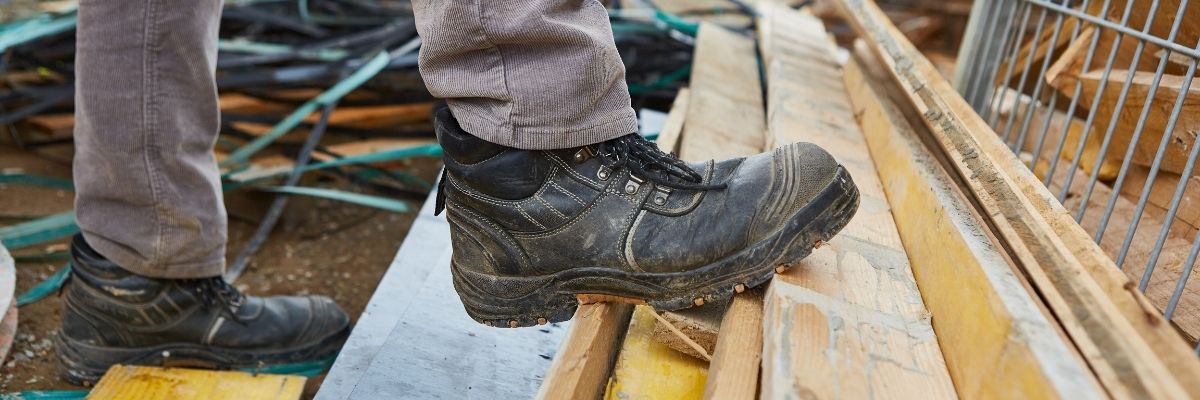
Retail work is demanding. You’re on your feet for hours, navigating aisles, assisting customers, and keeping everything running smoothly. But all that standing and walking can take a serious toll on your body, especially your feet. Choosing the right footwear is crucial for your comfort, health, and overall well-being. Let’s dive into finding the best ergonomic footwear to keep you feeling good, even after a long shift.
Why Your Shoes Matter More Than You Think (Seriously!)
Think of your feet as the foundation of your body. If that foundation is unstable or unsupported, it can cause problems all the way up – ankles, knees, hips, and even your back! Poor footwear can lead to a whole host of issues, including:
- Foot Pain: Plantar fasciitis, bunions, heel spurs – the list goes on!
- Leg Fatigue: Tired, achy legs can make even the simplest tasks feel like a marathon.
- Back Pain: Improper support can throw your spine out of alignment, leading to chronic back pain.
- Poor Circulation: Tight shoes can restrict blood flow, causing numbness and tingling.
- Increased Risk of Accidents: Slipping and tripping are more likely when you’re wearing uncomfortable or unsupportive shoes.
Investing in ergonomic footwear is an investment in your health and job performance. It’s not just about comfort; it’s about preventing long-term problems and ensuring you can keep doing what you love (or, at least, what pays the bills!).
Decoding Ergonomic Footwear: What to Look For
So, what exactly is ergonomic footwear? It’s shoes designed to support the natural structure and movement of your feet, minimizing stress and strain. Here’s a breakdown of the key features to consider:
-
Arch Support: Your Foot’s Best Friend: This is arguably the most important factor. Proper arch support helps distribute your weight evenly, preventing overpronation (when your foot rolls inward excessively) or supination (when your foot rolls outward). Look for shoes with built-in arch support or consider using orthotic inserts.
- Pro Tip: You can get your arch type assessed by a podiatrist or at many running shoe stores. This will help you choose the right level of support.
-
Cushioning: Like Walking on Clouds (Almost): Cushioning absorbs impact and reduces stress on your joints. Look for shoes with ample cushioning in the midsole, especially if you’re standing on hard surfaces like concrete all day. Materials like memory foam, gel, or EVA (ethylene-vinyl acetate) are good choices.
-
Stability: Keeping You Grounded: Stability features help control motion and prevent your foot from rolling too much. Look for shoes with a firm heel counter (the part that wraps around your heel) and medial posts (supportive structures on the inside of the shoe).
-
Fit: Goldilocks Zone – Not Too Tight, Not Too Loose: A proper fit is essential. Your toes should have enough room to wiggle, and your heel shouldn’t slip out of the shoe. Try on shoes at the end of the day when your feet are at their largest.
- Heel-to-toe Drop: This refers to the difference in height between the heel and the toe. A lower heel-to-toe drop encourages a more natural foot strike, while a higher drop can provide more cushioning in the heel. Experiment to see what feels best for you.
-
Slip Resistance: Safety First!: This is especially important in retail environments where spills and slippery floors are common. Look for shoes with outsoles made of slip-resistant materials like rubber.
-
Breathability: Keeping Your Feet Fresh: Sweaty feet can lead to discomfort and even infections. Choose shoes made of breathable materials like mesh or leather to allow air to circulate.
-
Durability: Built to Last: Retail work can be tough on shoes, so choose a pair that’s built to withstand daily wear and tear. Look for shoes with sturdy construction and high-quality materials.
Shoe Styles That Work (and Some That Don’t)
Not all shoe styles are created equal when it comes to ergonomics. Here’s a rundown of some common options and their pros and cons for retail employees:
-
Sneakers: Generally a good choice, especially running or walking shoes. Look for features like arch support, cushioning, and slip resistance. Avoid fashion sneakers that prioritize style over function.
-
Work Boots: Can be a good option if you need extra protection or support, but make sure they’re comfortable and well-fitting. Look for boots with shock-absorbing soles and good arch support.
-
Clogs: Some clogs can be comfortable and supportive, but others lack arch support and can be slippery. Choose clogs with a contoured footbed and slip-resistant outsole.
-
Flats: Generally not a good choice for standing all day. They offer little to no arch support or cushioning and can lead to foot pain.
-
Heels: Definitely avoid! Heels put excessive pressure on the balls of your feet and can lead to a variety of foot and back problems.
Beyond the Shoe: Other Ways to Pamper Your Feet
Choosing the right shoes is just one piece of the puzzle. Here are some other tips to keep your feet happy and healthy:
-
Wear Compression Socks: Compression socks can improve circulation and reduce swelling in your legs and feet.
-
Use Orthotic Inserts: If your shoes don’t provide enough arch support, consider using orthotic inserts. You can buy over-the-counter inserts or get custom-made inserts from a podiatrist.
-
Stretch Your Feet and Legs Regularly: Simple stretches like calf raises, toe curls, and ankle rotations can help improve flexibility and reduce muscle tension.
-
Take Breaks to Sit Down: Even short breaks to sit down can give your feet a chance to rest and recover.
-
Soak Your Feet: A warm foot soak with Epsom salts can help soothe tired, achy feet.
-
Elevate Your Feet: Elevating your feet at the end of the day can help reduce swelling.
Real Retailer Recommendations: What Works in the Trenches
While everyone’s feet are different, here are a few brands and models that often get high marks from retail workers:
- Hoka One One: Known for their exceptional cushioning and support. Models like the Bondi and Clifton are popular choices.
- Brooks: Offers a wide range of running and walking shoes with good arch support and cushioning. The Adrenaline GTS and Glycerin are worth checking out.
- New Balance: Another reliable brand with a variety of options for different foot types. Look for models with the "Stability" label.
- Dansko: While primarily known for clogs, some Dansko styles offer good arch support and are popular in healthcare and retail settings.
- Skechers Work: Specifically designed for work environments, offering slip-resistant outsoles and comfortable cushioning.
Remember to try on shoes before you buy them to ensure a proper fit!
Frequently Asked Questions: Your Burning Footwear Queries Answered
-
How often should I replace my work shoes?
- Generally, every 6-12 months, depending on how often you wear them and how much wear and tear they endure. If you notice signs of wear, like flattened cushioning or worn-down soles, it’s time for a new pair.
-
Can I wear running shoes to work?
- Yes, running shoes can be a good option, especially if they offer good arch support, cushioning, and slip resistance. Just make sure they’re appropriate for your workplace’s dress code.
-
Are expensive shoes always better?
- Not necessarily. While higher-priced shoes often use better materials and construction, the most important factor is fit and comfort. Find a shoe that supports your feet properly, regardless of the price tag.
-
What if I have flat feet?
- Look for shoes with strong arch support and stability features. You may also want to consider using orthotic inserts designed for flat feet.
-
How do I clean my work shoes?
- Follow the manufacturer’s instructions. Generally, you can clean most shoes with a damp cloth and mild soap. Let them air dry completely before wearing them again.
Your Feet Will Thank You: Prioritize Comfort and Support
Choosing the right footwear is a simple but powerful way to improve your comfort, health, and overall well-being as a retail employee. By prioritizing arch support, cushioning, fit, and other key features, you can keep your feet happy and healthy, even after a long day on your feet.